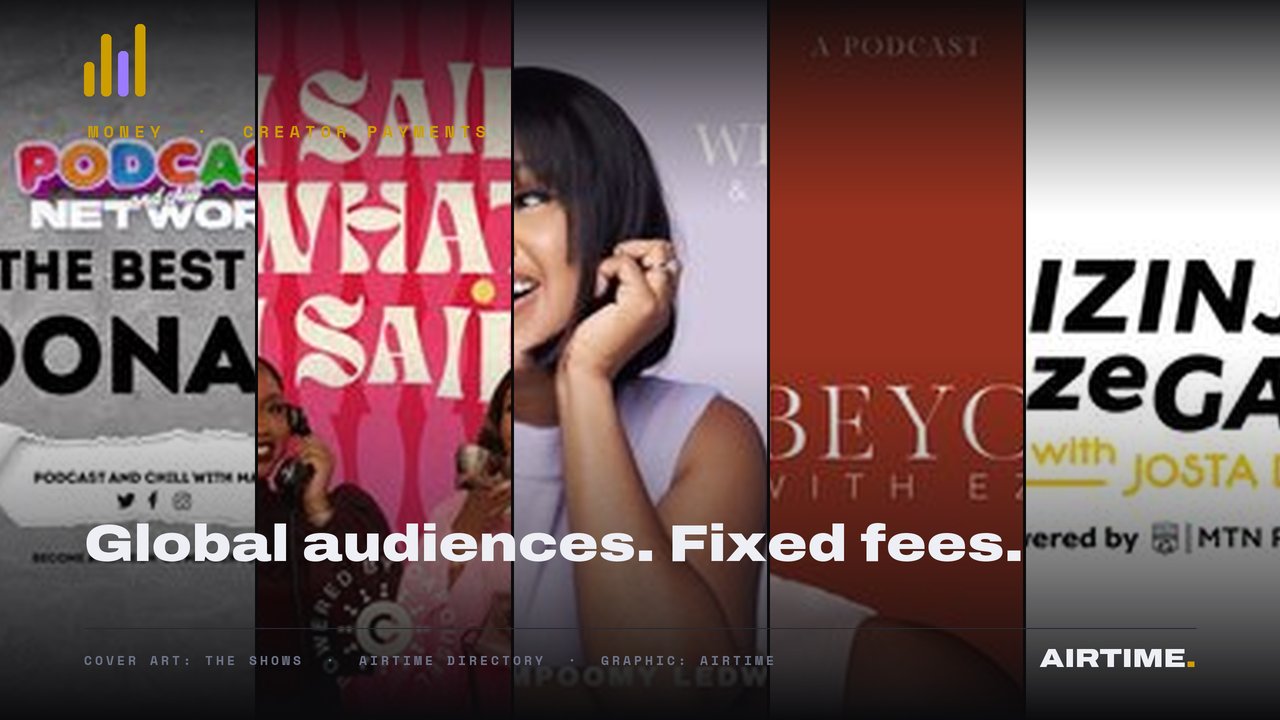
According to TechCabal reporting, the primary issue for African creators is structural: when Netflix pays creators upfront, "creators receive fixed compensation regardless of how many viewers a production attracts over time." Alternative platforms like Wi-flix offer revenue-sharing models instead, but upfront payment remains the industry standard for major platforms.
African content is reaching global audiences. The economic question that follows is simpler but harder: who owns the value it generates?
Research from TechCabal reveals a fundamental divide in how streaming platforms compensate creators. Netflix and other major platforms structure deals as one-time payments. A creator receives compensation for producing a series, and the transaction ends. If that series accumulates millions of hours viewed over two years, the creator sees no additional return.
Smaller platforms propose an alternative. Wi-flix, an African streaming service, uses revenue-sharing agreements. A creator "could see yourself earning more than $40,000 over the next two years while your content remains on the platform" rather than accepting a single $40,000 payment upfront. The difference is profound: one model captures value at the moment of sale; the other links compensation to actual viewer demand over time.
For African creators, the pattern is familiar. South Africa, Nigeria, and Kenya received the bulk of Netflix's African content investment (R4 billion combined across 2021-2024), yet the payment structure means those investments generated fixed returns to creators, not ongoing participation in the revenue their work generates.
The structural issue affects audio and video creators equally. Any creator locked into exclusive platform deals faces the same constraint: limited revenue channels and no share in audience monetisation beyond the initial advance. For African talent competing globally, that difference accumulates quickly.